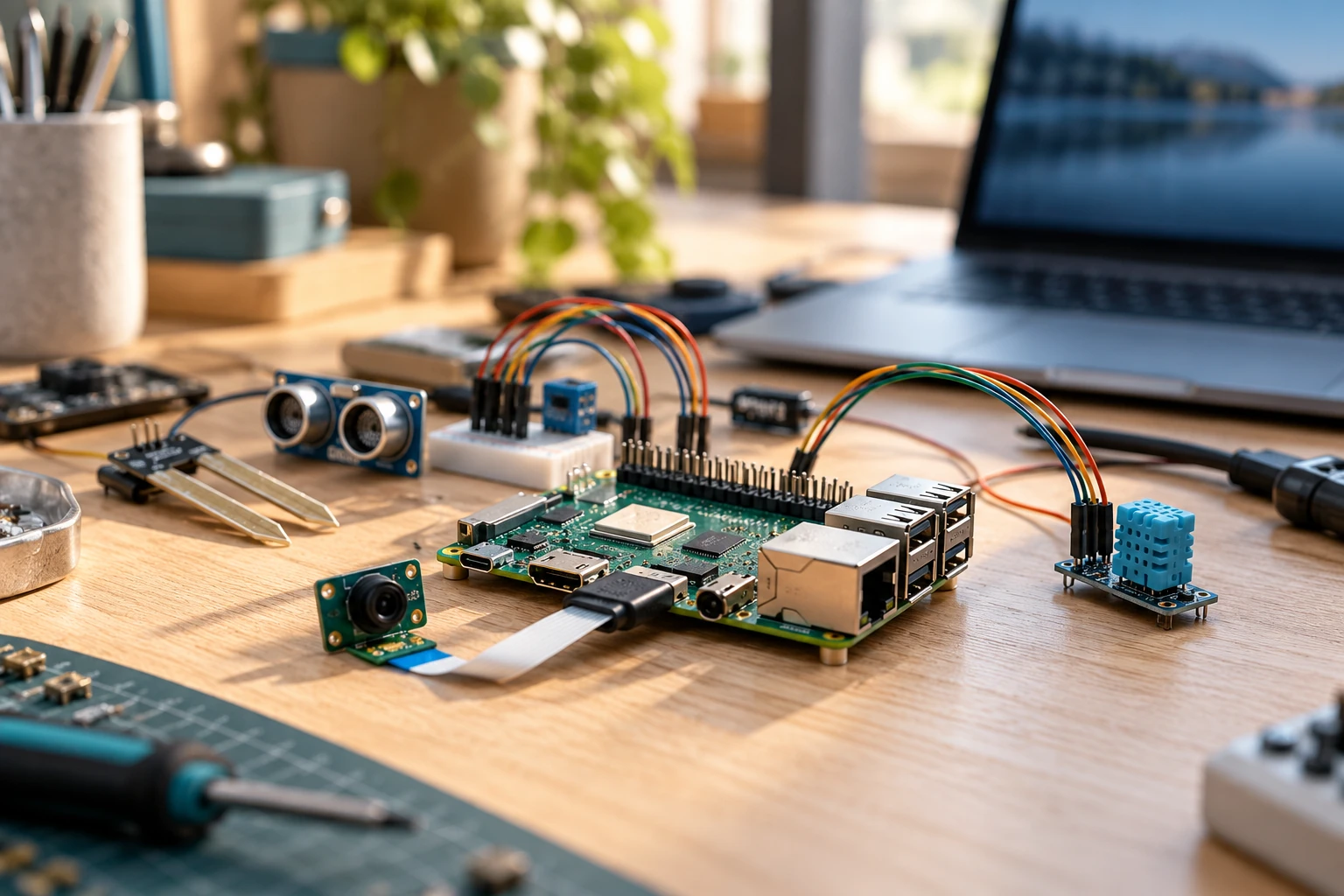
Edge computing places some processing closer to the devices or people generating data. This can reduce communication delays and dependence on a distant service for selected workloads. Deployment, maintenance and security need to be planned alongside those benefits.
A practical example
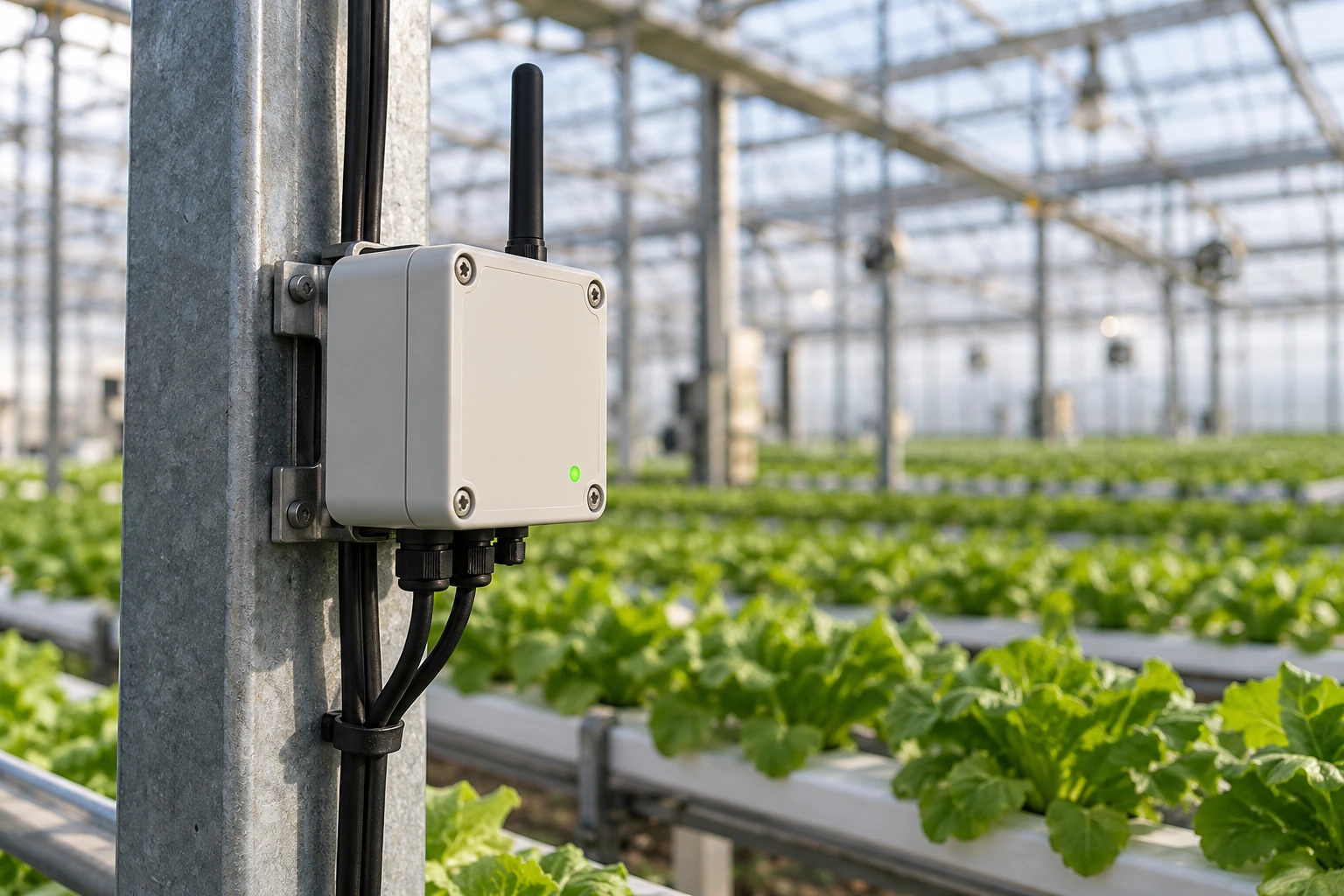
A greenhouse sensor may need to trigger a local response even when an internet connection is unavailable. A central service can still collect reports and coordinate settings. Define the responsibilities on each side and how they reconnect after an outage. The architecture should account for updates, device identity and practical maintenance at each location.
Edge or central processing?

| Focus | Practical approach | Check before proceeding |
|---|---|---|
| Near the device | Use local processing where response time or connectivity matters. | Define how the device behaves when disconnected. |
| Central service | Use shared services for coordination and larger analysis. | Plan latency, bandwidth and service availability. |
| Operations | Maintain an inventory and an update process. | Distributed devices increase maintenance responsibilities. |
Does edge computing remove the need for cloud services?
Not necessarily. Many systems combine local processing with central coordination or analysis. The split depends on connectivity, response time, data handling and operational needs.
Useful next steps
For a related perspective, read Quantum Computing for Business: Evaluate Evidence Before Investment, Using IoT Data in Marketing: Purpose, Context and Privacy, Immersive Product Experiences: When Metaverse Features Help.
If you need help applying this to your business, explore our business automation services or discuss your project.
Sources and further reading
By Tech Me Today. Originally published November 22, 2023. Expanded on .
Explore all articles →