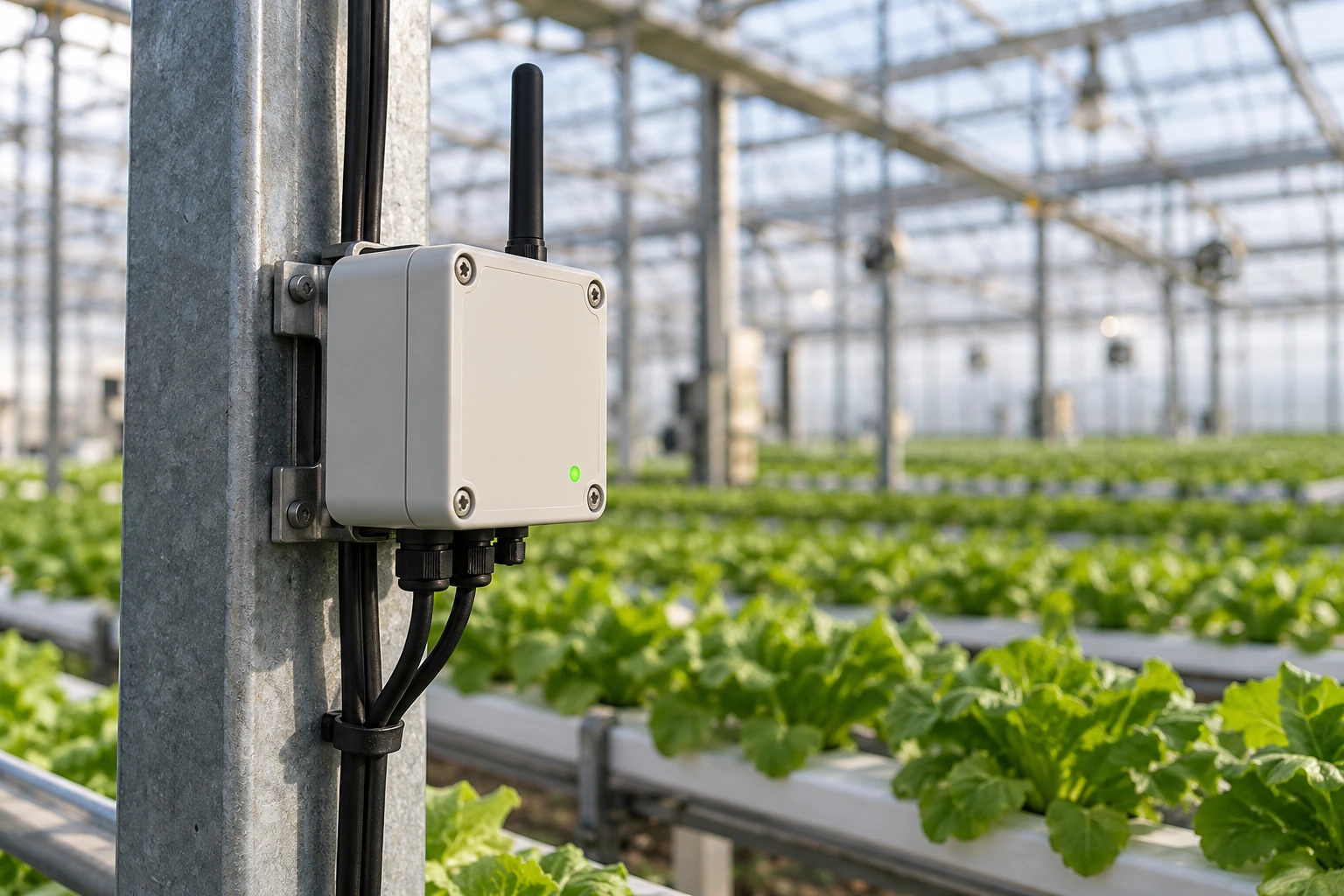

Connected devices can provide information that helps businesses understand how products and services are used. Applying that information to marketing requires a clear purpose, appropriate consent where needed and careful handling of personal data.
A practical example
A manufacturer might use aggregated equipment-usage data to identify where customers need clearer onboarding. That can inform a support guide or product explanation. It does not automatically justify targeted advertising to individual users. Decide which data is necessary, how it is interpreted and whether the intended use matches customer expectations and applicable requirements.
Use connected-device data responsibly

| Focus | Practical approach | Check before proceeding |
|---|---|---|
| Purpose | Collect measurements tied to a clear business question. | Do not gather data simply because a sensor can provide it. |
| Context | Compare device readings with the way the product is used. | Missing or noisy readings can mislead a campaign. |
| Privacy | Document access, retention and appropriate permissions. | Review applicable obligations before using personal information. |
Does more device data always improve marketing?
No. Unreliable, excessive or poorly contextualised data can make decisions worse. Start with a clear question and collect only information that is appropriate for answering it.
Useful next steps
For a related perspective, read Immersive Product Experiences: When Metaverse Features Help, Edge Computing: Decide What Should Run Near the Device, Green Software: Measure Energy, Hardware and Carbon.
If you need help applying this to your business, explore our business automation services or discuss your project.
Sources and further reading
By Tech Me Today. Originally published December 30, 2023. Expanded on .
Explore all articles →