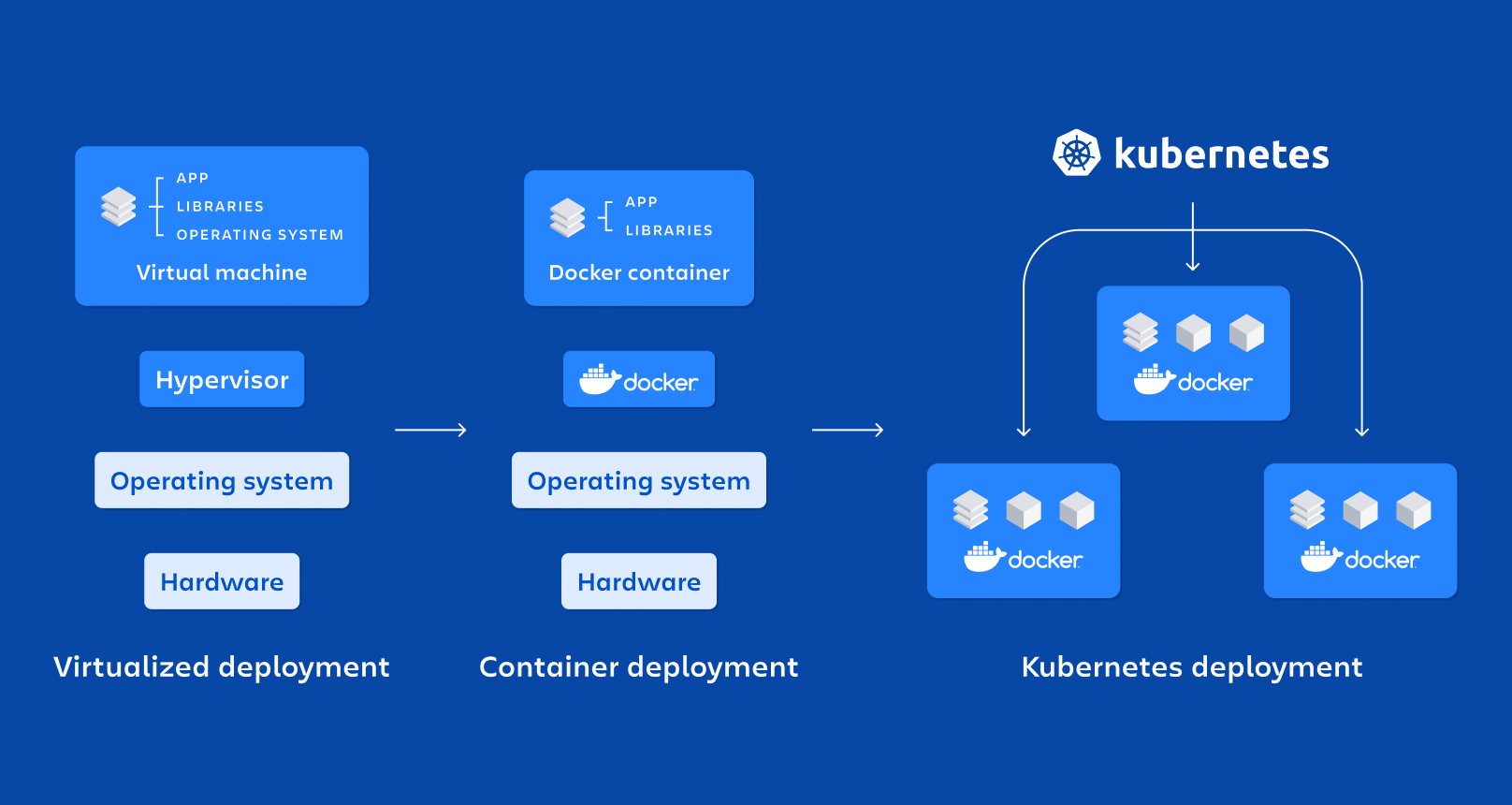

In this article, I want to dive deep into the world of containerization and explore how the combination of Docker and Kubernetes has revolutionized the DevOps landscape. So, imagine you have a bunch of different toys you want to carry around. Each toy needs its own special box to stay safe and organized. Now, think of these toys as computer programs, and the special boxes as containers.
Docker is like a magic box maker. It helps make these containers for each program, so they’re neat, tidy, and can work anywhere without causing a mess. These containers keep everything the program needs to run inside them, making it easier to move the programs between different computers without any problems.
Now, imagine you have a big team of friends, and each friend has their own toys and boxes. Sometimes, it’s hard to keep track of all the toys and boxes, right? That’s where Kubernetes comes in. It’s like a super organizer. It helps manage all these containers, making sure they go to the right places at the right times. It also helps if a container needs more toys (resources) or if a toy box breaks (something goes wrong) – it fixes things up automatically.
Together, Docker and Kubernetes are like teamwork champions. Docker makes sure each program has its own safe space, while Kubernetes takes care of organizing and looking after all these spaces, making sure everything runs smoothly. This teamwork makes it super easy for the computer team (DevOps engineers) to make and share programs quickly and without any big headaches. It’s like teamwork making the dream work!
The Rise of Containerization:
so imagine you have a really cool toy set, but sometimes it’s tricky to take it to your friend’s house because some pieces might get lost or break along the way. Now, think of computer programs like these toys.
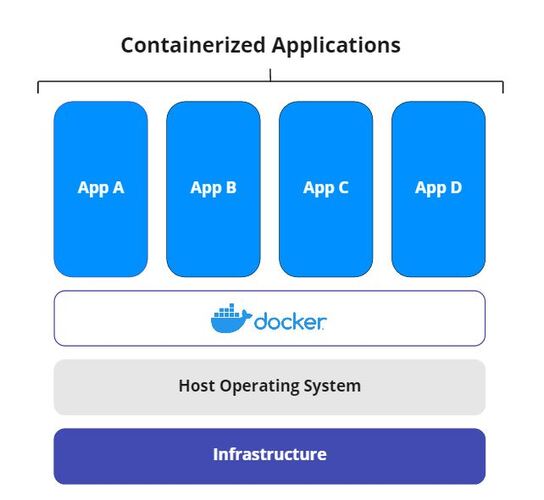
Docker is like a super special box that can keep these programs and all their parts safe and together. It’s like a magic box that can carry any program without losing anything.
These special boxes (containers) make sure that the programs work the same, whether they’re on your computer, your friend’s computer, or any other computer. It’s like having a special case for your toy set that makes it work perfectly no matter where you take it.
So, Docker is like this amazing box maker for computer programs. It helps keep them safe and working properly wherever they go, which is why a lot of computer experts really like using it.
Docker: Simplifying Application Packaging and Deployment:
So, imagine you’re working on a big group project with your friends, building something awesome with LEGO. Sometimes, when everyone’s using their own LEGO sets, it’s hard to make sure everything fits perfectly together, right? That’s a bit like how computer programs work.
Docker is like a super LEGO instruction book that helps everyone use the same LEGO pieces and instructions to build their part of the project. It’s like having a magic book that makes sure everyone’s LEGO creations fit together perfectly.
With Docker, the computer experts (developers) can make a special plan (called an image) that shows exactly how to build their part of the project. This plan has all the instructions and pieces needed. So, when they share this plan with their friends (other developers), everyone builds their part using the exact same instructions and pieces. This means no more problems like “it works on my computer, but not on yours!”
Basically, Docker helps everyone work on the project using the same rules and pieces, making it easier to build things together and avoiding any mix-ups or problems.

Kubernetes: Orchestrating Containerized Applications:
imagine you’re in charge of a bunch of moving trucks, each carrying lots of different toys to different places. Docker is like a team leader for each truck, making sure each toy is packed up safely in its own box for the trip.
Now, think of Kubernetes as a super smart traffic controller. It helps manage all these trucks on the road, making sure they go where they need to without crashing into each other. It also helps if a truck breaks down, quickly sending another truck to take its place.
Together, Docker and Kubernetes are like the dream team for moving lots of toys efficiently and safely. Docker makes sure each toy is secure in its box, while Kubernetes makes sure all the trucks get to their destinations smoothly, even if there are road problems.
With these two working together, the toy-moving job becomes super easy. Docker packs the toys safely, and Kubernetes ensures they get to where they need to go without any problems. This teamwork helps the toy movers (DevOps teams) do their job quickly and without any hiccups!
Use Cases of Docker and Kubernetes in DevOps:
Let’s explore some real-world use cases where Docker and Kubernetes shine in DevOps practices:
1.Application Deployment:
magine you have a favorite recipe for a delicious cake. Sometimes, when you bake it at a friend’s house, the oven might be different or the ingredients might not be exactly the same. So, your cake might turn out a bit different.
Now, picture Docker as a magical way to put your cake into a special, perfect-sized baking tin. It doesn’t matter which oven you use or where you bake it, the cake will always turn out just right.
Kubernetes is like having a super chef friend who helps make sure your cake gets baked perfectly every time, no matter where you bake it. If something goes wrong in the kitchen, this friend quickly fixes it without your cake getting ruined.
So, Docker helps make sure your cake (or application) is neatly prepared in its perfect baking tin (container), while Kubernetes ensures it gets baked perfectly every time, whether it’s in your kitchen or your friend’s kitchen. This teamwork makes baking (deploying applications) super easy and reliable for the cooking experts (DevOps teams).
2.Scalability and High Availability
imagine you’re in charge of a lemonade stand. Sometimes, on hot days, lots of people line up for lemonade, and you need more cups and lemons to keep up, right?
Kubernetes is like having a magical lemonade stand that grows and shrinks by itself! When there are tons of people, it automatically adds more tables and cups to serve everyone quickly. But when it’s not so busy, it knows to take away extra tables so things don’t get too crowded.
So, if lots of customers (traffic) show up for lemonade, Kubernetes helps your stand grow by adding more tables (containers) to serve everyone without making them wait. And when things calm down, it knows how to shrink back to the right size. This way, the lemonade stand (application) is always ready to serve just the right amount of lemonade, keeping everyone happy and refreshed!
3.Continuous Integration and Delivery (CI/CD):
you’re making and delivering special sandwiches for a big party. Docker is like a super sandwich maker that puts together each sandwich in its own perfect lunchbox.
Now, think of Kubernetes as a clever delivery planner. It knows which sandwiches need to go where and makes sure they get delivered to the right people at the party without mixing them up.
So, with Docker, you make sure each sandwich is packed up nicely, and with Kubernetes, you ensure they all get to the right places at the party without any mix-ups. Together, they’re like the perfect team making and delivering sandwiches flawlessly for the big party!
4.Microservices Architecture:
think of building a big LEGO castle. Instead of making the castle all in one piece, you make different parts separately. Docker is like having special LEGO boxes for each part – one for the tower, one for the drawbridge, and so on.
Now, imagine Kubernetes as a super LEGO builder who knows exactly how to put all these separate parts together to make the whole castle. It’s like having a magical builder who can assemble the towers, walls, and everything else to create the awesome castle.
So, Docker helps keep each part of the castle in its own safe box, and Kubernetes is the expert builder who knows how to put everything together perfectly. Together, they make it easy to build big, amazing LEGO castles (or applications) by working on different parts separately and then bringing them all together smoothly!
5.DevOps Tooling
Imagine you’re working on a big school project with your friends. Everyone has their own special job to do, like drawing, writing, and making sure everything looks great.
Now, think of Docker and Kubernetes as tools that help your team work together smoothly. It’s like having magic backpacks that can carry all your special tools, like pens, paper, and a ruler, and they help you and your friends work faster and better.
These tools also talk to other cool gadgets, like a super sketchbook (Jenkins), a helpful guide (Ansible), and a watchful eye (Prometheus), making sure everything is going smoothly. They help you check your work, make sure it’s right, and keep an eye on it while you’re working.
So, with these magical tools, you and your friends can do your project faster and better. They help make sure everything is just right and that everyone is working together like a dream team!
Conclusion
Think of Docker and Kubernetes like superheroes for computer stuff. They’ve changed how teams make and handle programs. It’s like having magic boxes and a super organizer that make everything faster and smoother.
Using these, teams can make and handle computer programs way quicker and better. It’s like building and managing LEGO projects with super cool tools that make everything fit together perfectly, whether it’s a small project or a huge one.
So, these superheroes (Docker and Kubernetes) help teams work faster, make things stronger, and handle big projects like a breeze. They’re like secret weapons that make computer work way cooler and easier. Hope this helps you see how awesome they are in making computer stuff better and faster!
You can visit our site TechMe Today to get more tips. We hope this tips are helpful.